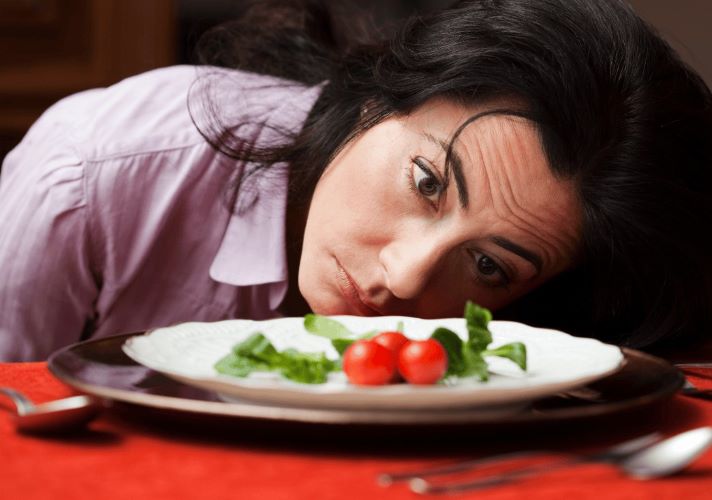
Restrictive diets have been popular for decades. Cut carbs. Cut fat. Cut calories. Cut entire food groups. While these approaches often promise fast results, they rarely deliver lasting success. Many people find themselves stuck in an exhausting cycle of dieting, losing weight temporarily, regaining it, and then starting all over again. If restrictive diets really worked, we wouldn’t need a new one every year. The problem isn’t willpower – it’s the approach itself.
The False Promise of Restriction
Restrictive diets are built on the idea that eating less and eliminating foods will automatically lead to better health and weight loss. In the short term, this can happen. When calories drop suddenly, the scale may move. But the body is far more complex than a simple math equation.
When food intake is overly restricted, the body perceives it as a threat. This triggers survival mechanisms designed to conserve energy. Metabolism slows, hunger hormones increase, and cravings intensify. The body isn’t failing – it’s doing exactly what it’s meant to do to protect you.
Restriction Fuels Cravings and Overeating
One of the biggest reasons restrictive diets fail is because they increase cravings. The more you tell yourself you “can’t” have something, the more powerful the desire becomes. This creates a mental obsession with food, especially with the very foods you’ve cut out.
Eventually, this often leads to overeating or bingeing – not because of a lack of control, but because the body and brain are responding to deprivation. When the restriction breaks, guilt sets in, and many people respond by becoming even more restrictive. This cycle is not only ineffective, but emotionally draining.
Metabolic Adaptation Works Against You
Restrictive diets can also negatively impact metabolism. When calorie intake drops too low for too long, the body adapts by burning fewer calories. This is known as metabolic adaptation. Energy levels drop, workouts feel harder, and weight loss slows or stops altogether.
In response, many people reduce food intake even further, which worsens the problem. Over time, this makes weight loss increasingly difficult and weight regain more likely once normal eating resumes.
The Emotional Cost of Dieting
Beyond the physical effects, restrictive diets take a toll on mental and emotional health. Food becomes something to control rather than enjoy. Meals are associated with anxiety, guilt, and constant decision-making. Social events become stressful, and eating out can feel overwhelming.
This all-or-nothing mindset – being “good” or “bad” with food = creates shame rather than confidence. Sustainable health should enhance your life, not dominate it.
Why Most People Regain the Weight
Research consistently shows that most people regain the weight lost on restrictive diets within a few years – often gaining back even more. This isn’t because people fail. It’s because restrictive diets don’t teach sustainable eating habits.
Once the diet ends, old patterns return. Without skills like balanced meal building, hunger awareness, and flexibility, there’s nothing to support long-term success.
What to Do Instead: Focus on Nourishment, Not Restriction
The alternative to restrictive dieting is not “giving up” or eating without structure. It’s shifting toward a nourishment-based approach that supports both physical and mental health.
Instead of subtracting foods, focus on adding what your body needs. This includes quality protein, fiber-rich carbohydrates, healthy fats, and a wide variety of nutrients.
Build Balanced Meals
Balanced meals help regulate hunger, blood sugar, and energy. Aim to include:
-
A source of protein for satiety and muscle support
-
Carbohydrates for energy and fiber
-
Healthy fats for fullness and hormone health
-
Fruits or vegetables for micronutrients and digestion
When meals are balanced, cravings decrease naturally and eating feels more satisfying.
Honor Hunger and Fullness
Learning to listen to your body is key. Restrictive diets teach people to ignore hunger cues, but long-term health requires tuning back in. Eating when you’re hungry and stopping when you’re comfortably full helps rebuild trust with your body and prevents overeating.
Allow All Foods Without Guilt
When no foods are forbidden, their power diminishes. Allowing flexibility removes the urgency to overeat certain foods “while you can.” Over time, you’re able to enjoy treats in moderation without spiraling into guilt or loss of control.
Think Long Term
Instead of asking, “How fast can I lose weight?” ask, “How can I eat in a way I can maintain for life?” Sustainable health is built through consistency, not extremes.
The Bottom Line
Restrictive diets don’t fail because you lack discipline – they fail because they work against human biology and psychology. True health comes from nourishment, balance, and flexibility, not deprivation.
When you stop trying to control food and start supporting your body, eating becomes simpler, more enjoyable, and far more effective. The best “diet” isn’t a diet at all – it’s a way of eating that you can live with, long term.
If you are looking for more delicious, healthy, protein-rich, no bake desserts and treats to help you reach your health, wellness and fitness goals, you will love my collection here: Blended Bites